
When an old dog starts losing control of their bowels, it can be upsetting, confusing, and emotionally hard for owners.
Accidents may happen suddenly or increase gradually, and while aging plays a role, bowel incontinence is not something that should be ignored.
Table of Contents
Old Dog Losing Control of Bowels: Why It Happens
An old dog losing control of their bowels usually happens because the muscles, nerves, or internal systems involved in digestion and elimination are no longer working together effectively.
Aging weakens anal sphincter muscles, slows nerve signals, and increases the risk of neurological and digestive disorders.
Medical conditions such as spinal disease, cognitive decline, or chronic gastrointestinal illness often contribute as well.
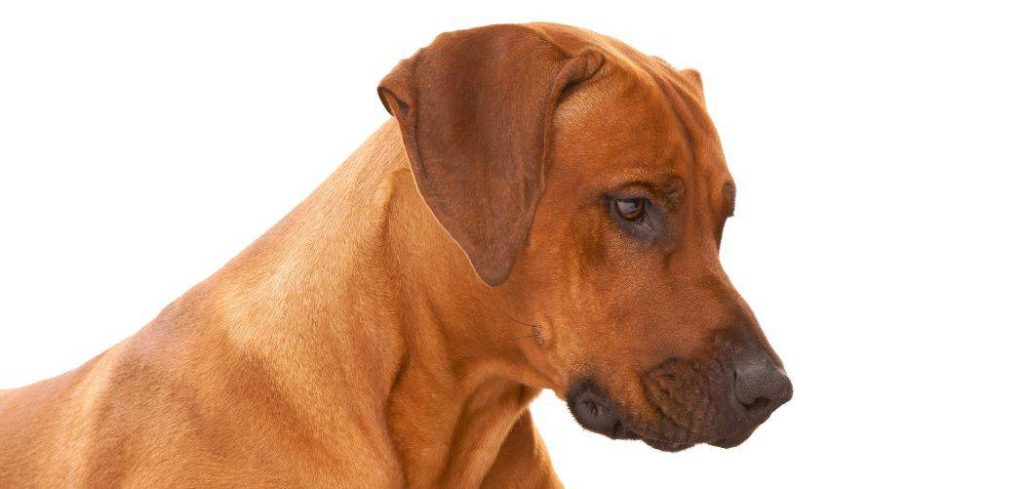
Old Dog Losing Control of Bowels: Symptoms
When an older dog begins losing control of their bowels, it’s usually a sign of underlying physical or neurological changes rather than a behavioral issue. This condition can develop gradually and often becomes more noticeable over time.
Signs include:
Involuntary stool leakage or accidents without warning
Passing stool while sleeping or resting
Reduced awareness of needing to go outside
Soiling in areas where the dog normally wouldn’t go
Changes in stool consistency (loose or softer stool)
Weakness in the hind end or difficulty holding posture
Old Dog Losing Control of Bowels: Common Causes
Muscle Weakness
As dogs age, the muscles that control bowel movements — especially the anal sphincter — gradually weaken. This reduces the dog’s ability to hold stool until an appropriate time.
With weakened muscle tone, stool may leak out unintentionally, particularly during rest, sleep, or walking. This is one of the most common and least obvious causes of bowel incontinence in senior dogs.
Spinal Disease or Nerve Damage
The nerves that signal when and how to defecate travel through the spinal cord. Degenerative spinal conditions, disc disease, or nerve compression can interrupt these signals.
When nerve communication is impaired, an old dog may not feel the urge to defecate or may lose control entirely.
Bowel accidents caused by nerve damage often occur alongside back leg weakness, wobbliness, or dragging paws.
Cognitive Dysfunction Syndrome
Cognitive decline (dog dementia) can cause an old dog to forget previously learned behaviors, including house training. Dogs with canine dementia may lose awareness of where or when they should eliminate.
These dogs often soil indoors without distress and may seem confused, disoriented, or restless, especially at night. Bowel accidents related to cognitive decline are behavioral in appearance but neurological in origin.
Related: Old Dog Syndrome (Signs, causes and treatment)
Chronic Digestive Disorders
Long-term gastrointestinal conditions such as inflammatory bowel disease, chronic colitis, or food intolerance can overwhelm a senior dog’s ability to control bowel movements.
Loose stool, urgency, and increased frequency make it difficult for aging dogs to “hold it,” leading to accidents.
Digestive causes are often accompanied by gas, mucus in stool, or intermittent diarrhea.
Pain
An old dog with arthritis, hip pain, or muscle weakness may physically struggle to get outside in time. Even when bowel control is technically intact, delayed movement can result in accidents.
These dogs often show awareness of the accident and may appear anxious or guilty afterward.
Pain-related bowel accidents usually worsen during cold weather or after increased activity.
Underlying Medical Conditions
Systemic illnesses such as kidney disease, liver disease, or tumors affecting the digestive or nervous system can interfere with bowel control.
In these cases, bowel accidents may appear alongside weight loss, appetite changes, increased thirst, vomiting, or lethargy. Medical causes should always be ruled out in senior dogs with new bowel issues.
Read more: Old Dog Pooping in Sleep (Why it happens)
What to Do
Start by adjusting your dog’s routine to reduce pressure on their body. More frequent bathroom breaks can significantly reduce accidents, especially for dogs with muscle weakness or mobility issues.
Support easy movement by keeping pathways clear and providing traction on slippery floors. Reducing the effort required to reach the door can make a big difference.
Feed a consistent, easily digestible diet to promote predictable bowel movements. Sudden diet changes can worsen urgency and stool consistency.
Use washable bedding and consider protective covers to maintain hygiene without stressing your dog. Accidents are rarely intentional in senior dogs.
Most importantly, remain calm and patient. Punishment increases anxiety and can worsen bowel control issues, especially when cognitive decline is involved.
When to Call or Visit Your Vet
You should contact your veterinarian if bowel control loss appears suddenly, worsens rapidly, or happens daily.
Immediate veterinary care is needed if bowel accidents are accompanied by weakness, back pain, paralysis, blood in stool, vomiting, or significant behavior changes.
If your old dog seems unaware of accidents, shows confusion, or struggles with mobility, a veterinary evaluation can help determine whether neurological or cognitive conditions are involved.
Old Dog Losing Control of Bowels: Treatment
Treatment depends on identifying the underlying cause. If digestive issues are contributing, your vet may recommend dietary adjustments, fiber supplements, or medications to improve stool consistency and control.
When muscle weakness or nerve-related issues are involved, treatment may include medications or supportive therapies aimed at improving sphincter control.
In cases linked to cognitive decline, vets may suggest medications or supplements to support brain function.
Your veterinarian may also recommend routine changes, such as more frequent bathroom breaks and adjusting feeding schedules. Managing hygiene and keeping the dog comfortable is an important part of care, especially in more advanced cases.
Key Takeaway
An old dog losing control of their bowels is rarely just a behavioral issue and often reflects changes in muscle strength, nerve function, or overall health. While aging increases risk, bowel incontinence should always be taken seriously.
With veterinary guidance, routine adjustments, and supportive care, many senior dogs can remain comfortable and dignified.


